Culinary Glossary
What is a mandoline slicer?
A mandoline is a blade on a runway that cuts even slices and julienne. Blade types, the hand guard, and the cut-resistant glove.
Artificial intelligence for restaurants and hospitality: hands-on guides, professional prompts, cost control and high-end kitchen technique.
A mandoline is a blade on a runway that cuts even slices and julienne. Blade types, the hand guard, and the cut-resistant glove.

En papillote means cooking in a sealed parchment packet so food steams in its own juices. How to seal it, and how to know it is done.

A reduction is a liquid cooked uncovered until water boils off and the flavor concentrates. The spoon test, the usual mistakes, and where cooks use it.
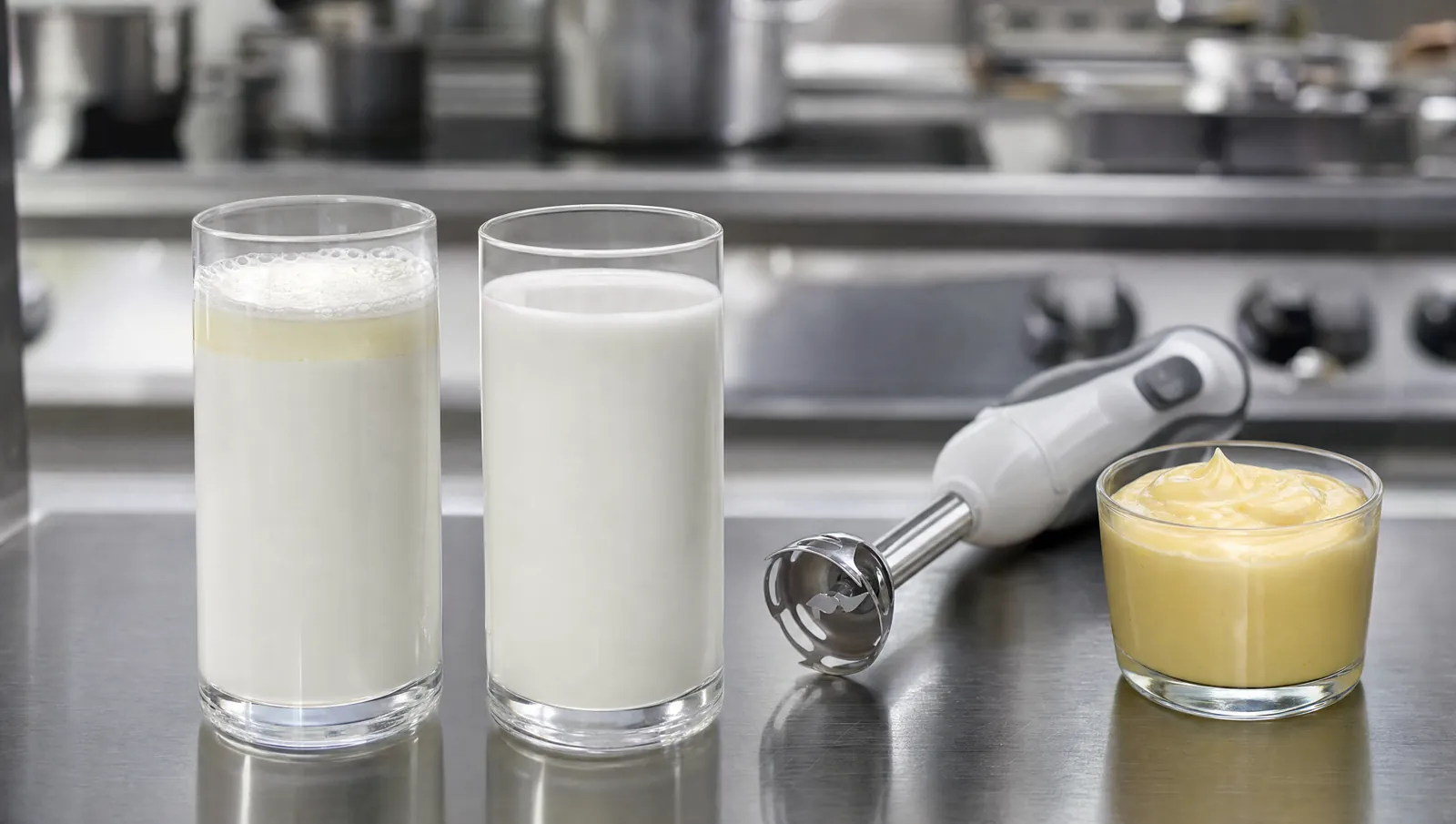
Homogenization, or homogenisation, breaks particles down so a mixture stays together. What it does to milk, and how it differs from pasteurization.
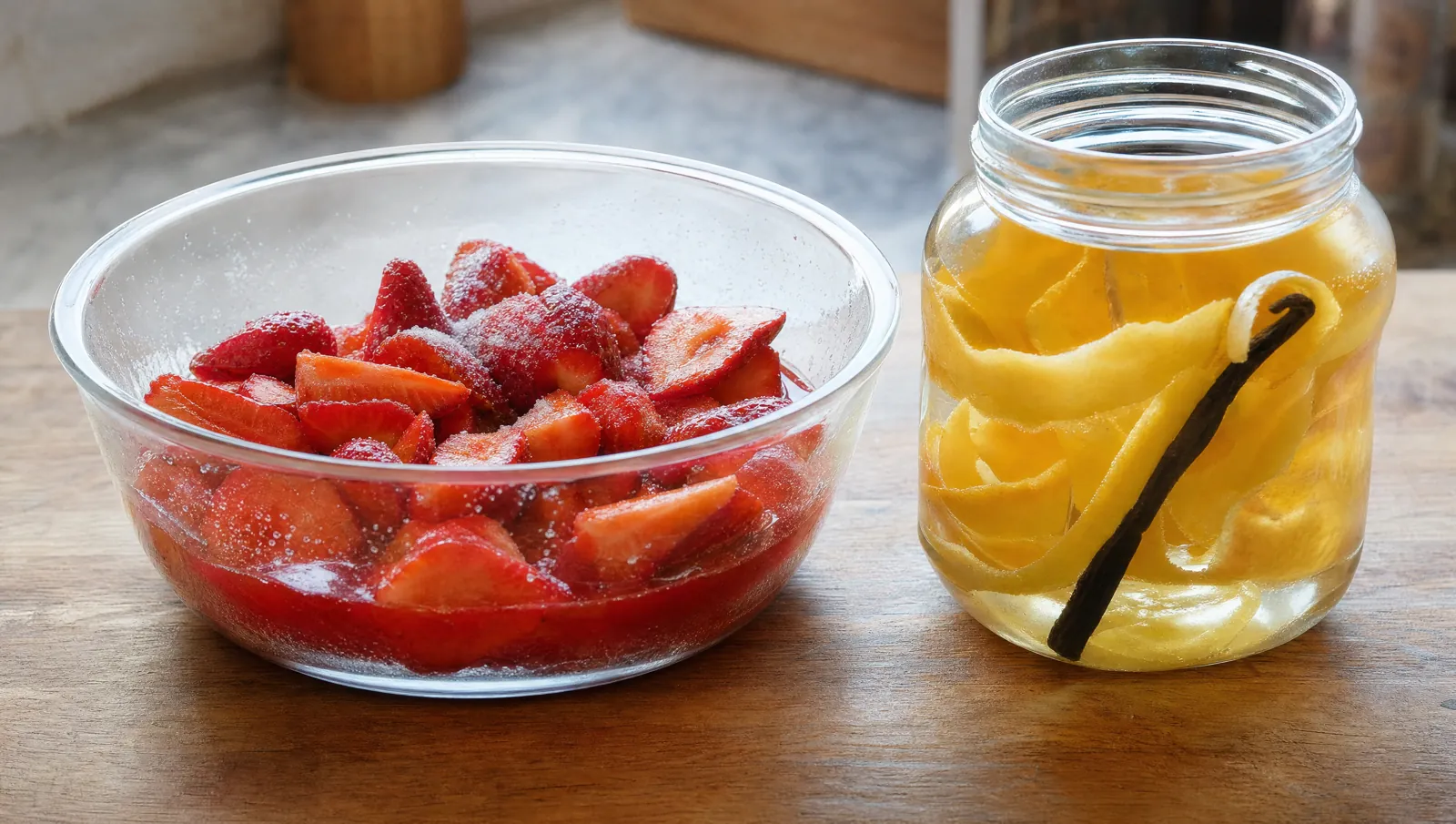
Maceration draws flavor out of a solid in sugar or a cold liquid, without cooking it. How it differs from a marinade and an infusion, and how to do it.
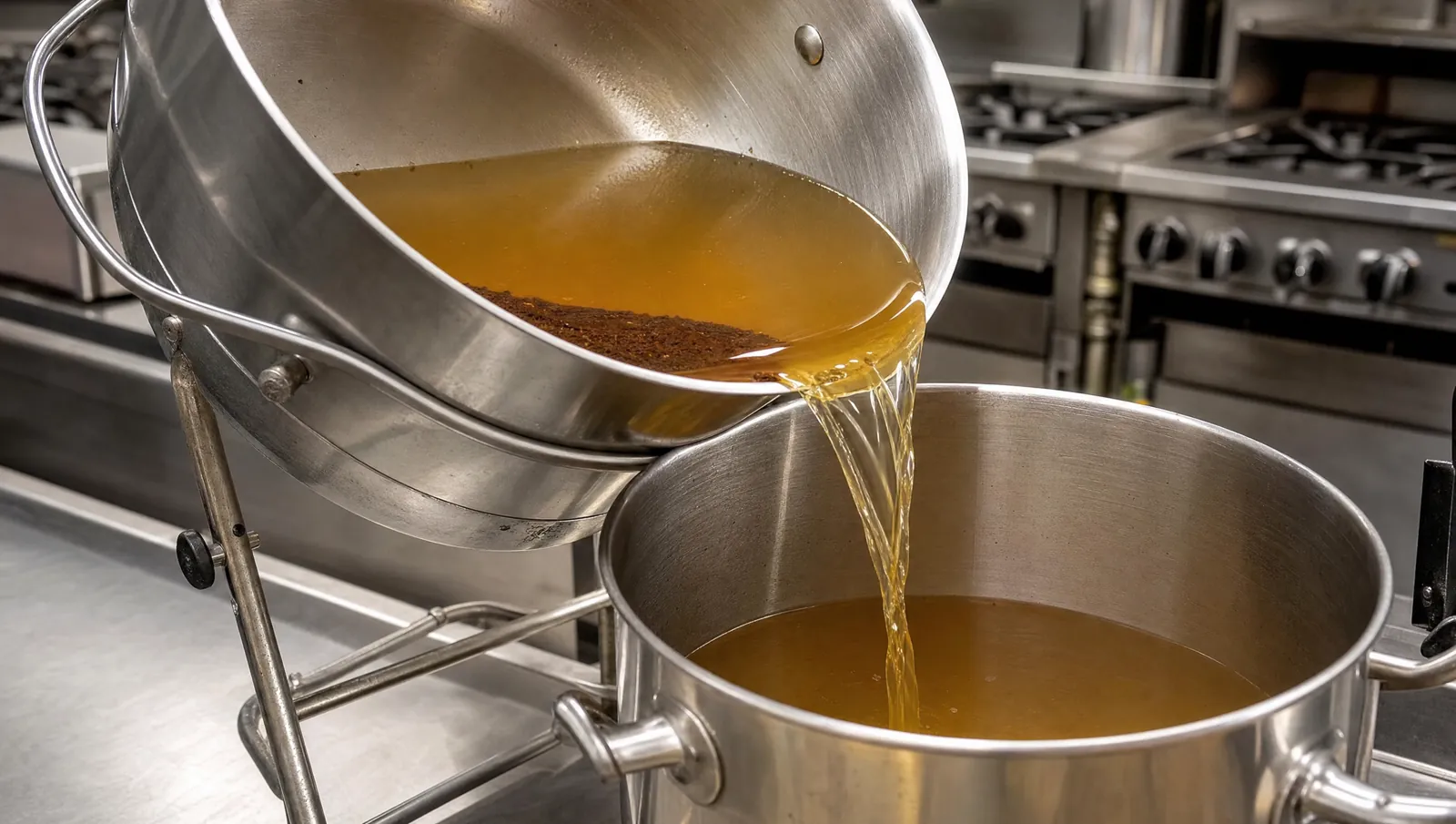
Abocar is the Spanish verb for pouring from one vessel into another with the rims together, leaving the sediment. It is not the same thing as an abocado wine.
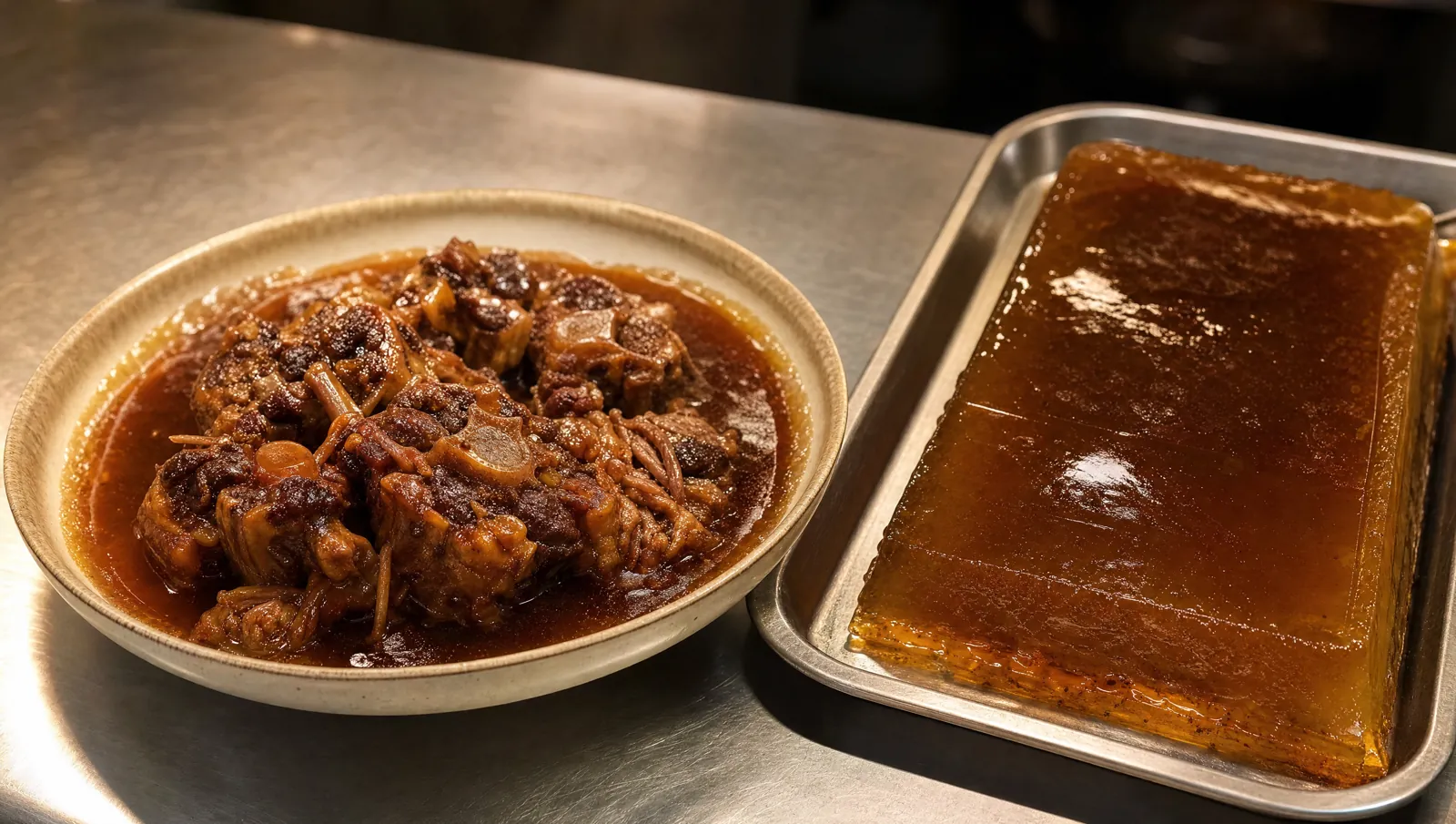
Hydrolysis is the reaction in which water splits a molecule. How it turns collagen into gelatin, ages beef and cheese, and how it differs from Maillard.
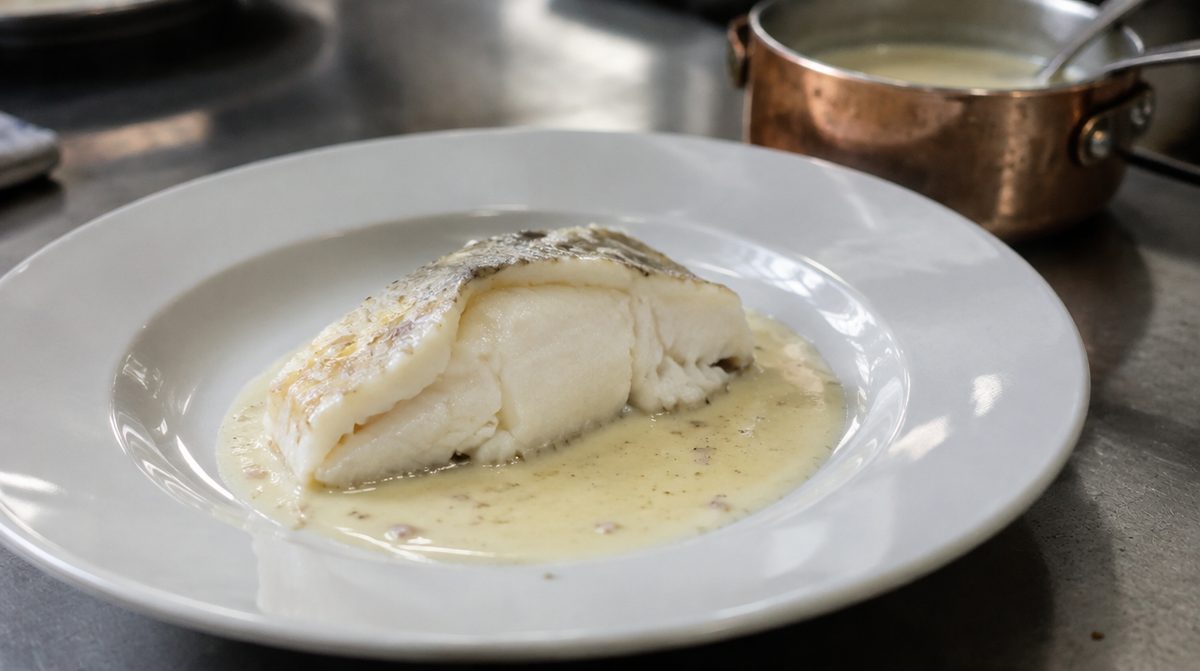
Beurre blanc is a French sauce of butter, shallot, white wine, and vinegar. Here is where it comes from, the ratios, the method, and how to save it if it breaks.
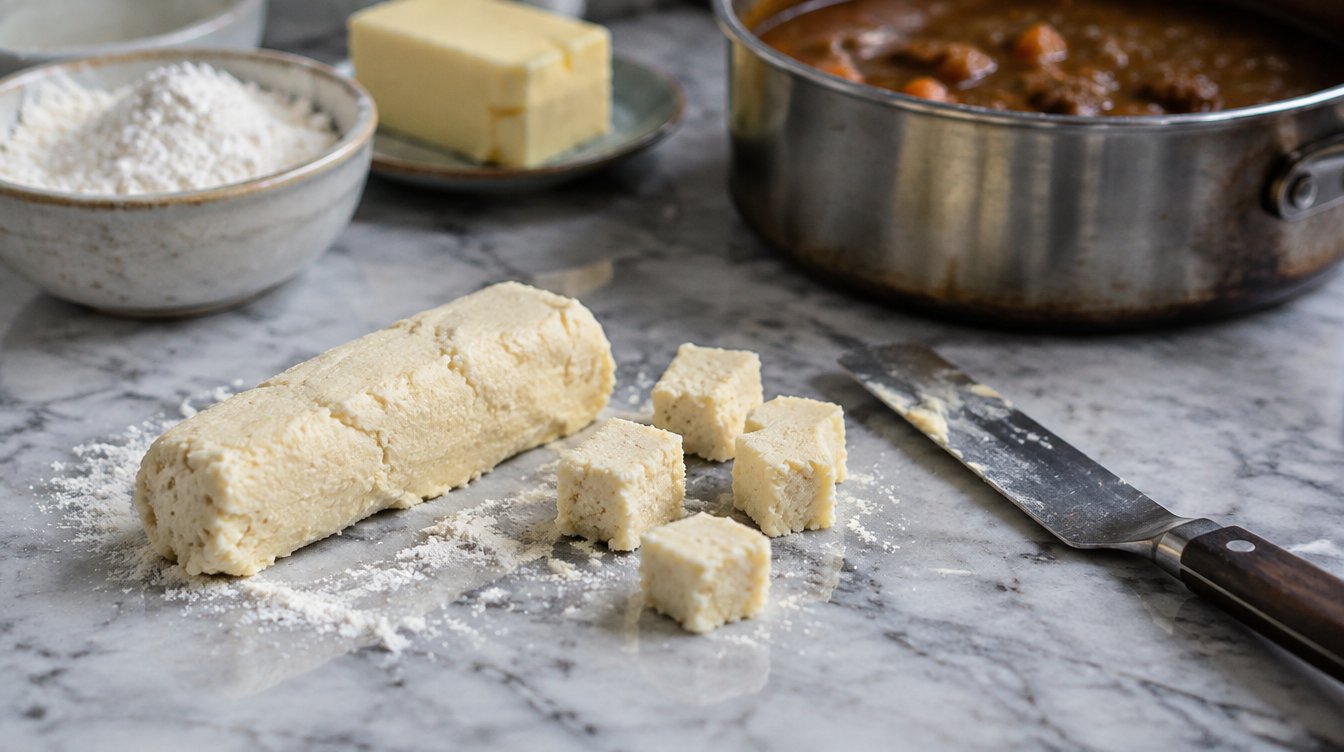
Beurre manié is a raw paste of soft butter and flour in equal parts by weight, used to give a thin sauce some body at the end. Here is the ratio, the method, and how it differs from a roux.
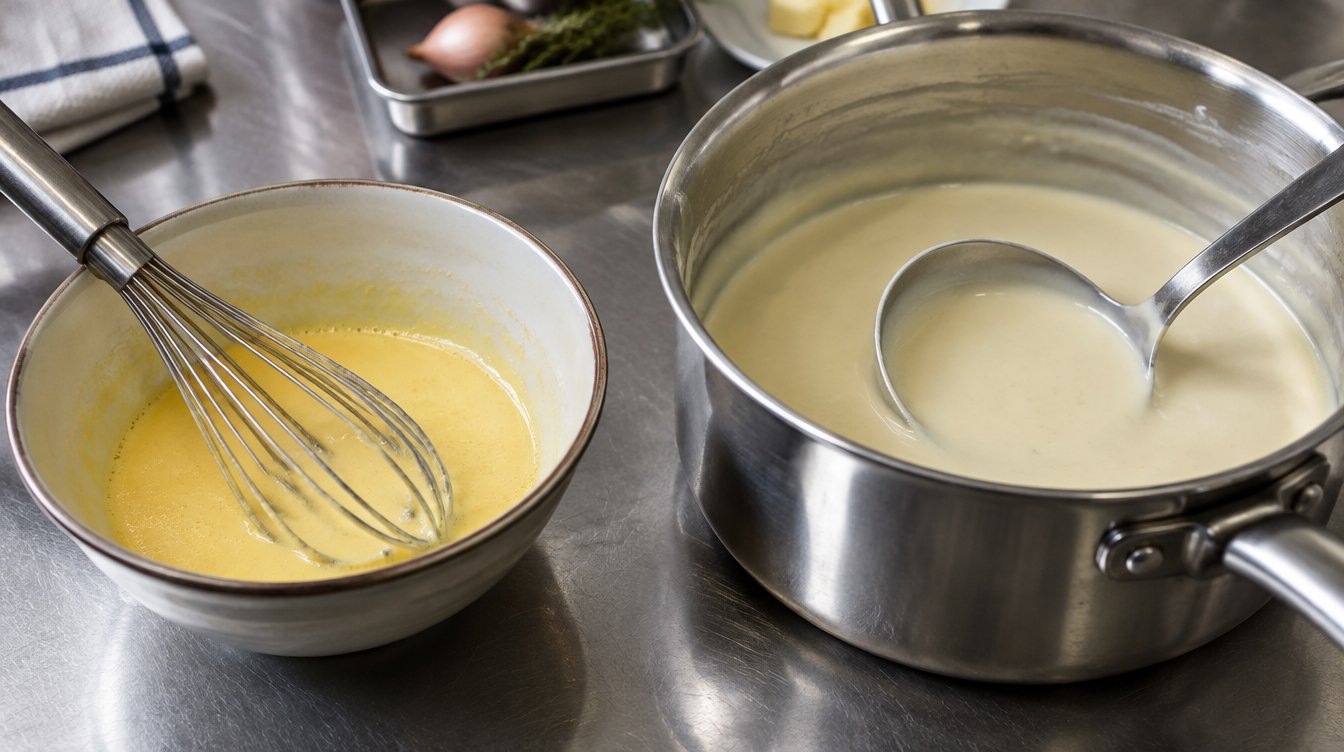
An egg-yolk liaison thickens a hot sauce with yolks and cream, without letting the egg set into curds. Here is Escoffier's ratio, how to temper, and the 60°C (140°F) limit.
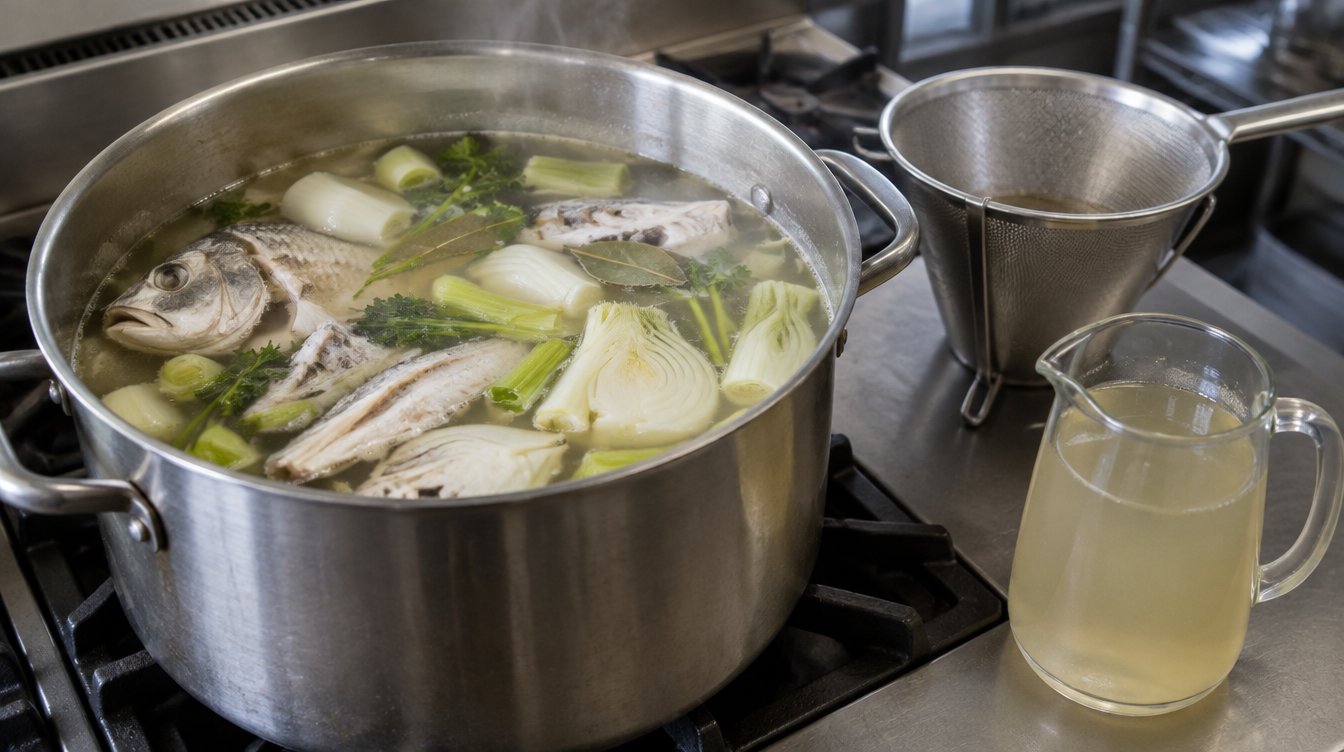
A fish fumet is a short stock of fish bones and aromatics. Here is how it compares with fish stock, the ratios, the method, and why it turns bitter if you simmer it too long.
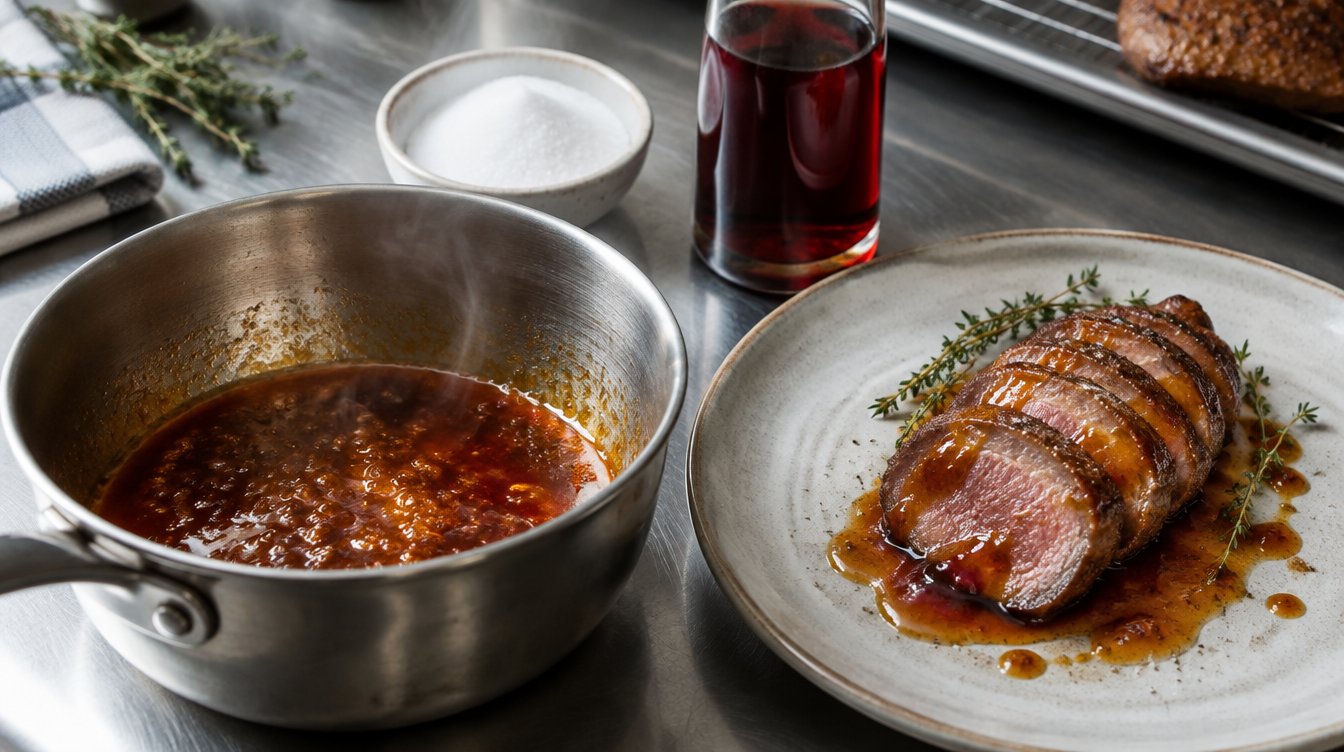
A gastrique is sugar cooked to a light caramel and dissolved with vinegar. Here is the ratio from Escoffier's sauce romaine, the method, and what to use it with.
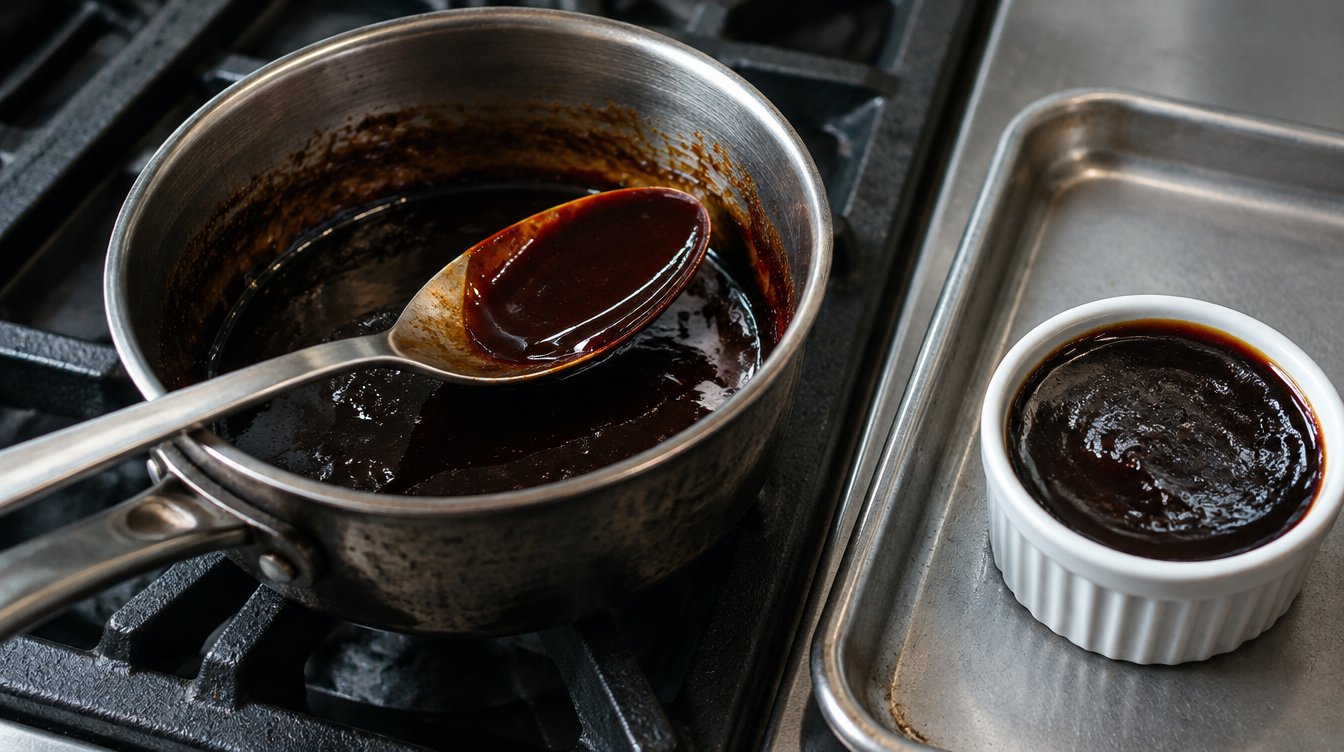
Glace de viande is brown stock reduced until it coats a spoon and, once cold, sets. Here is Escoffier's method, why it gels, and how to use it.
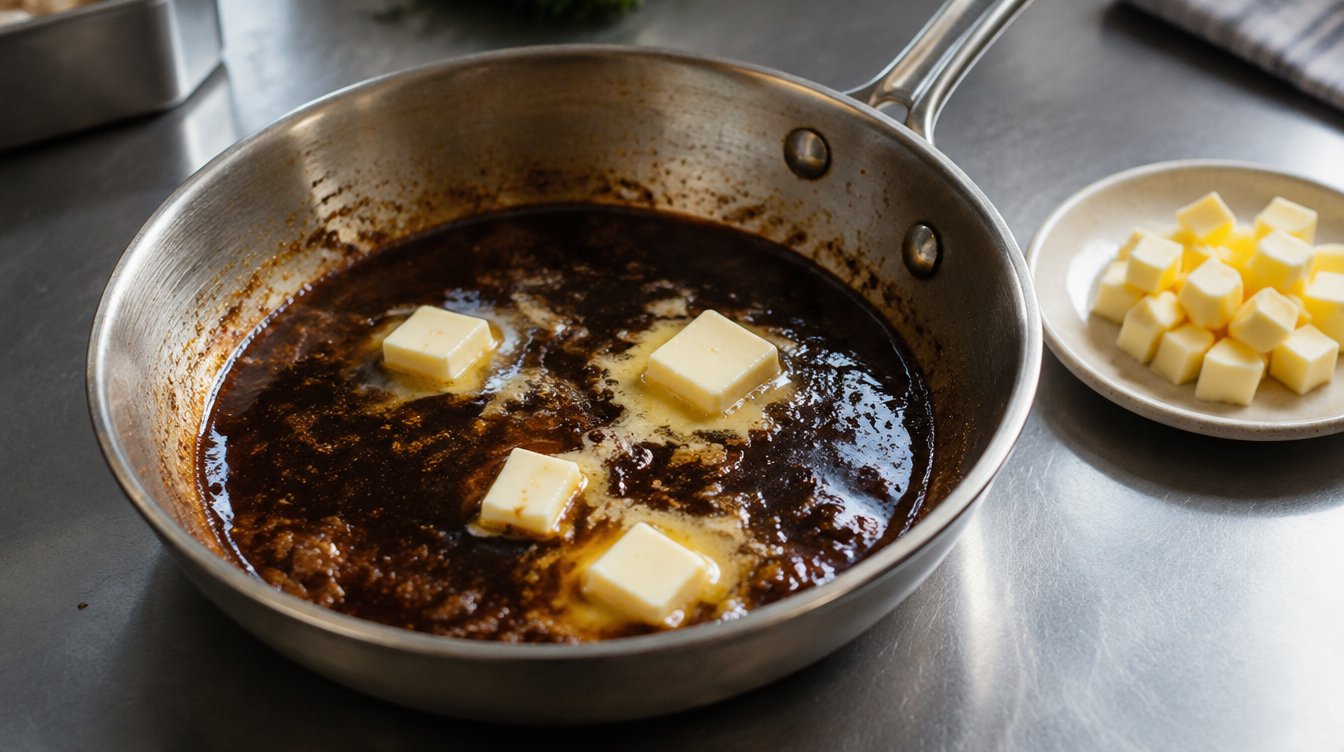
Monter au beurre means whisking cold butter into a hot sauce, off the boil, for shine. Here is the name, Escoffier's amount, and how to keep the butter from separating.
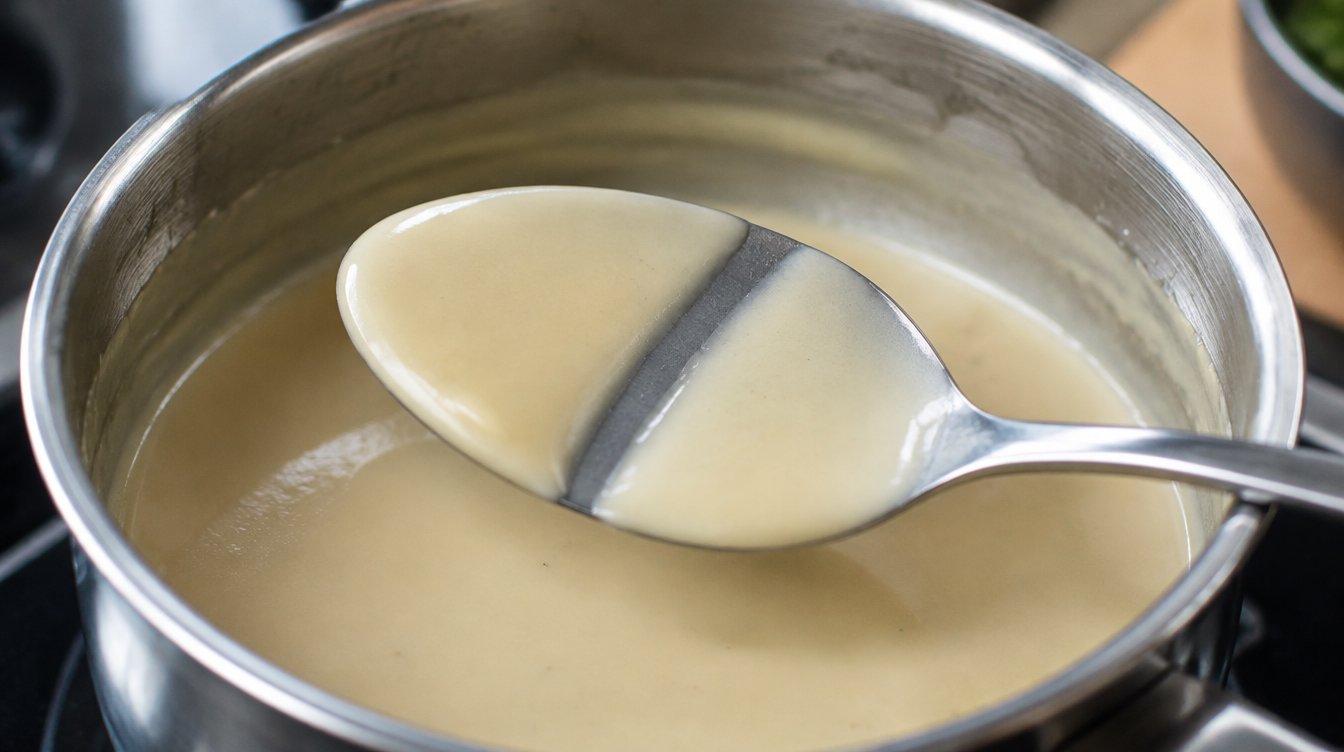
To nap a sauce is to coat food with a sauce that stays put. Here is the spoon test Escoffier uses, how to reach that point, and how to correct it.
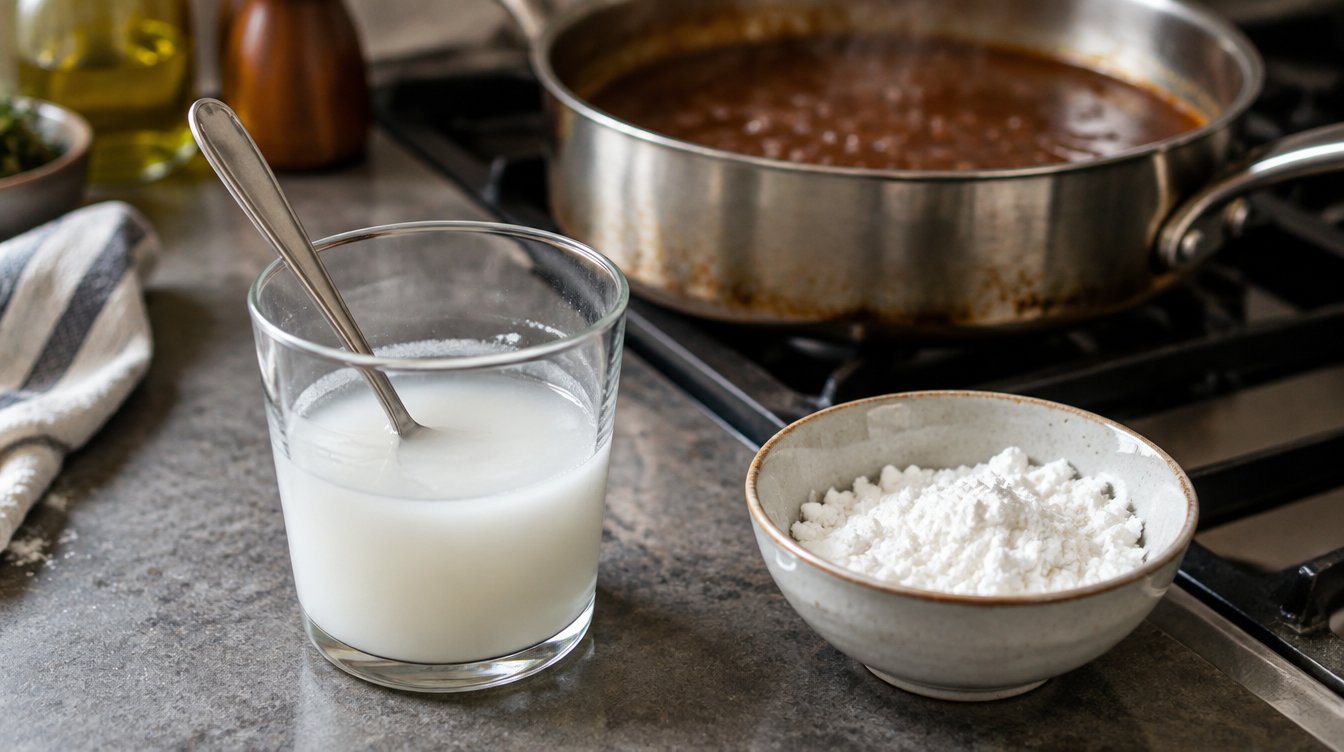
A starch slurry is starch dispersed in cold liquid, used to thicken a sauce. Here is the amount, why the liquid is cold, and which starch to choose.

A roux is flour cooked in fat before the liquid goes in. Here is Escoffier's ratio, the three colors, and how much you need for a liter.
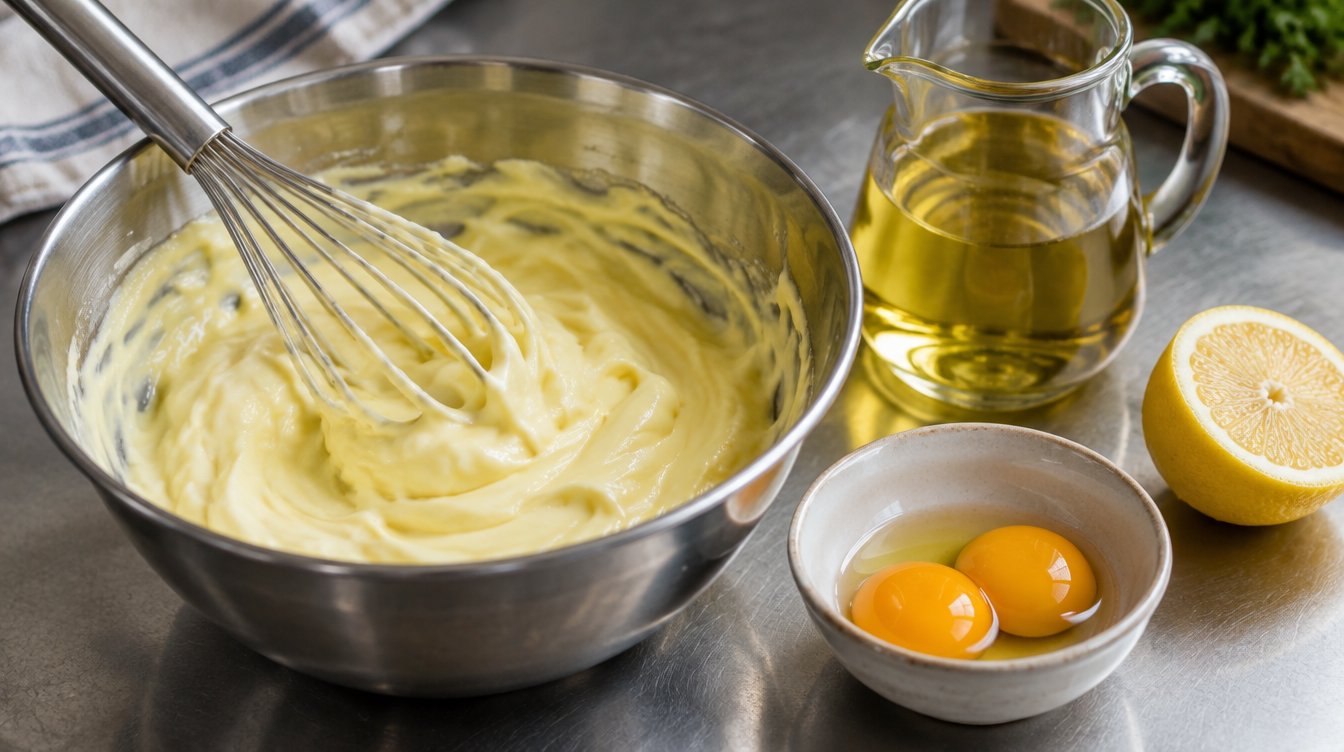
An emulsion disperses two liquids that will not mix, such as oil and water, with help from egg yolk. Here is Escoffier's mayonnaise, why it breaks, and how to bring it back.

Demi-glace is espagnole and brown stock in equal parts, reduced and finished with sherry. Here is Escoffier's ratio, the method, and how it differs from a meat glaze.

How to start a food truck business in 13 steps: startup cost ranges with sources, permits in Texas, NYC and LA, insurance, commissary and menu pricing.
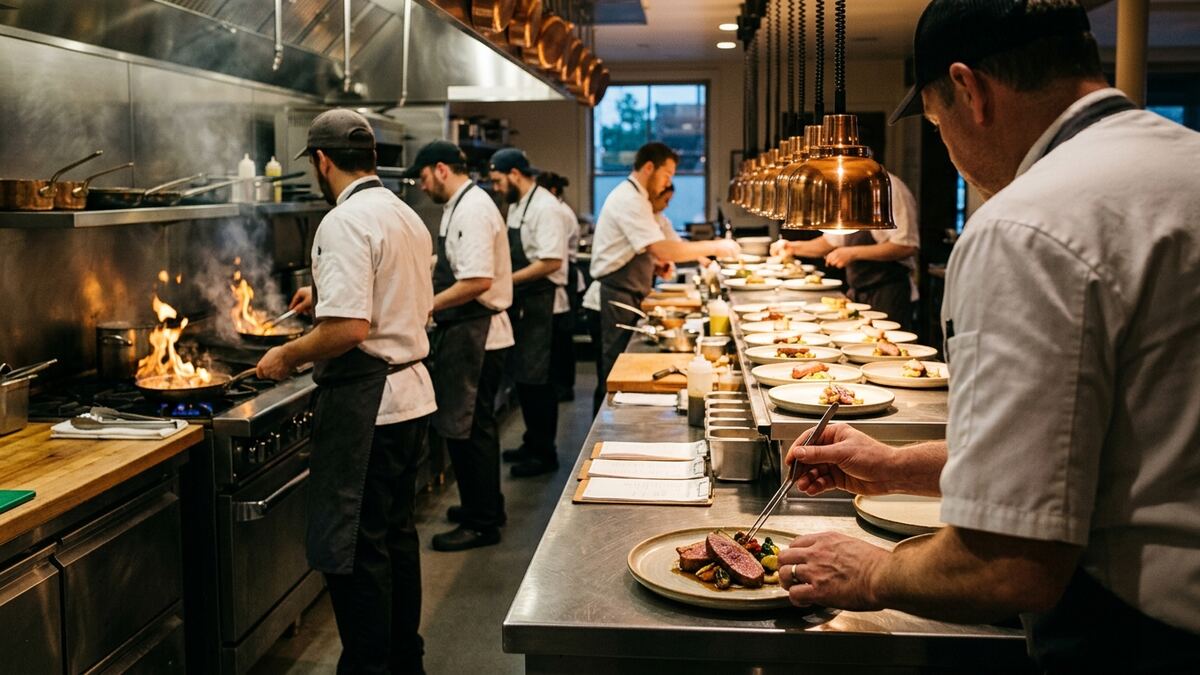
The kitchen brigade system organizes a kitchen into ranks and stations. See the full chef hierarchy table, classical roles and how kitchens adapt it today.

AI Chef Pro hits one million queries: the most-used agents by the community, seven AI models to compare, and the agents fine-tuned after the model migration.
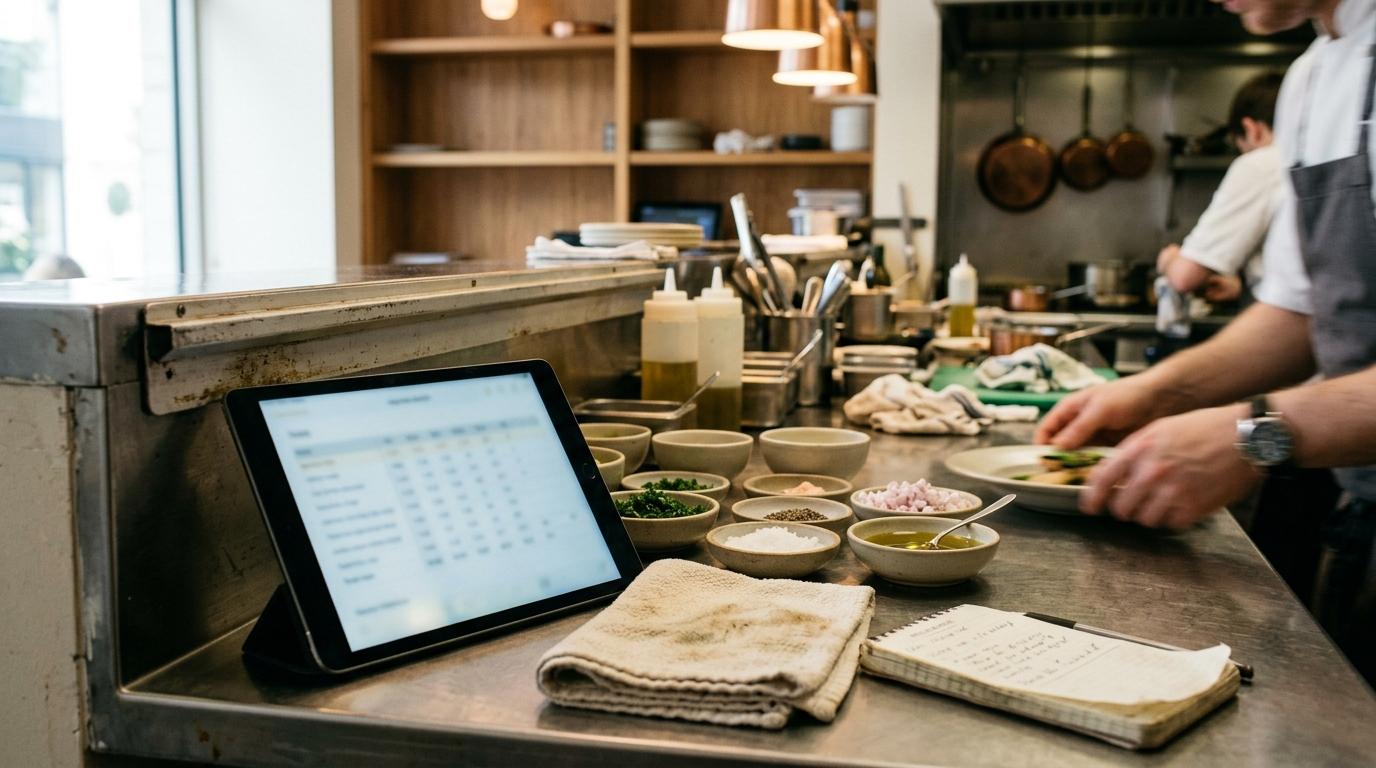
AI Chef Pro agents now connect with Gmail, Google Sheets, Instagram, and 13 more platforms. Ask by voice and it does it for you.

Discover GLM-5.2, DeepSeek V4 Flash & Kimi K2.5: open-source models on AI Chef Pro — hospitality use cases and how to try them.