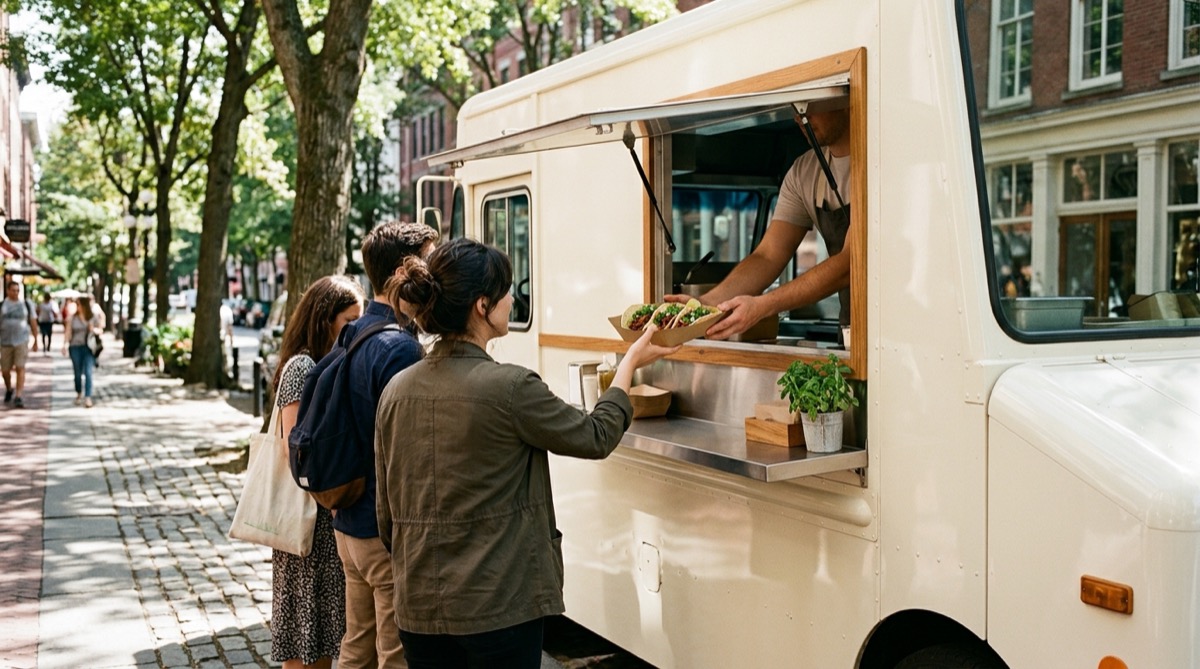
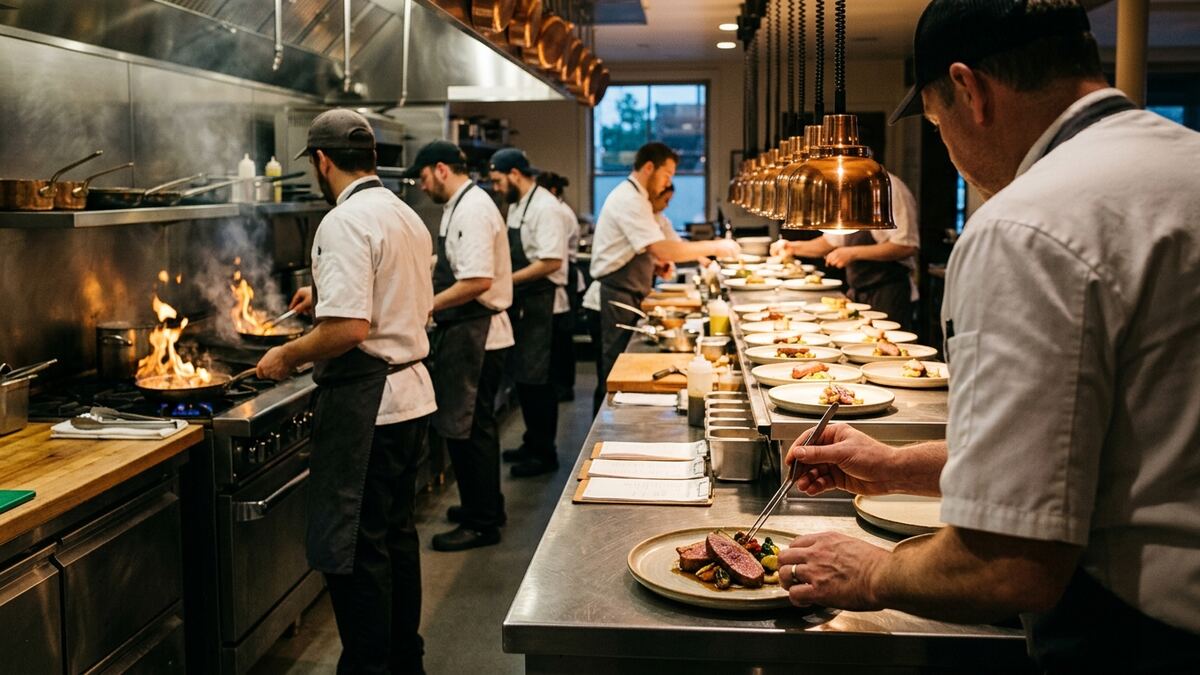
AI Agents for Chefs: How to Use AI in a Working Kitchen
An AI agent for chefs costs the dish, writes the card, flags allergens and drafts the order. How to use AI as a chef, with practical AI tips.
Direct answer
An AI agent for chefs is a specialist that finishes one kitchen job and returns it ready to repeat: a costed recipe card, a menu change, an allergen check, a production list or a purchase order. A general chatbot drafts an idea and forgets the brigade. The chef still tastes, signs the card and runs service.
Open the English guest workspace
This address stays the same. The page is no longer a scored list of apps. People asking about AI for chefs, and about how to use artificial intelligence for chefs, want the job on the line. The brand is a set of AI agents, not a drawer of generic tools.
The only prices stated here as fact are AI Chef Pro’s, from the pricing page: Member at €10 a month (10,000 credits), then €25, €50 and €95 a month, or €950 a year on Max. The English pages publish 75+ agents. There is no free plan. Competitor prices are not restated here.
What an AI agent for chefs is
An agent takes one professional task and returns something the pass can use again tomorrow. A recipe app returns an idea for tonight. A chatbot can write a charming method and a wrong yield in the same paragraph. The agent is the one you ask for the card: weights, cost, allergens, the production list, the order.
AI Chef Pro is that set of agents in one workspace. It is not a ranking, and this page does not award stars. If the next question is software rather than a chat window, read menu engineering software and recipe costing software. Try one dish in the food cost calculator before you subscribe to anything.
How to use AI as a chef
Use it on one dish the brigade already sends. Not on a concept menu. Not on a week of specials. One card, finished, that the next shift can cook without asking you.
Give the agent what the invoice says, not what you hope the dish costs. Gross weight, the yield after trim, the pack price. Ask for the costed card. Then put the supplier label next to the allergen line and correct it. Then ask for the production list for the covers you actually expect. Then the purchase order, in the pack the supplier sells.
Taste it. Sign the card. If the agent wrote a time you have never used, the time on the card is yours, not the model’s.
That is how to use AI as a chef. The same sequence is what people mean when they type “how to use artificial intelligence for chefs”: costing, the menu, allergens, production, purchasing. Five jobs, one dish, then the next dish.
| Kitchen job | What you give the agent | What you check before service |
|---|---|---|
| Recipe costing | Invoice price, gross weight, yield after trim | The cost against this week’s invoice |
| Menu | The costed cards, and which dishes you already sell | That the dish still belongs on the menu you print |
| Allergens | The recipe, and the supplier label | The label itself, not the agent’s memory of a brand |
| Production | Covers, and the portion written on the card | The prep list against what is actually in the fridge |
| Purchasing | Gross weight times those covers | The order against the supplier’s pack size |
Recipe costing lives in the food cost calculator and, when you want the same logic inside the workspace, on recipe costing with AI. The menu is a different page: menu design with AI, and the longer software guide is menu engineering software. Allergens go through the restaurant allergen detector: it helps you walk a recipe, and it does not replace the label. Production lists sit with kitchen management software. A new dish, still in draft, can start from AI recipes for restaurants and only then become a card.
AI tips for chefs
These are the tips that survive a Saturday. They are not a study, and they are not a percentage of savings. We have not measured your purchasing.
- One dish. The menu is a pile of cards, not one prompt.
- Prices and yields go in. “Make it cheaper” is not an instruction the pass can cook.
- The supplier label decides the allergen line. A branded sauce, a stock cube and a breadcrumb mix change the card when the brand changes.
- The card is weights, cost, allergens and method. A story about the dish belongs on the menu, if it belongs anywhere.
- Update the card when the invoice changes. A card from last season is a souvenir.
- Use a chatbot to unblock an idea. Use an agent when tomorrow’s shift has to plate the same dish.
- Taste, then sign. A generated method is a draft, including the time and the temperature.
- Do not publish a savings figure you have not counted in your own kitchen.
If you want the chatbot side on its own, the page is ChatGPT for restaurants. It is a different job from this one.
Where a chatbot stops
A chatbot is useful. It drafts a special, a staff-meal idea, a first pass at wording. It does not keep your yields, and it does not know this week’s invoice unless you paste it. An agent is the place those jobs live so the brigade is not starting from a blank box every service.
Keep both, and do not ask the chatbot to do the agent’s job. The guest workspace is where the English agents open, without sending you to one agent by name: open the guest home. Plans are on the pricing page.
What you do with the card
Hang the same card where the pass can read it and where the buyer can order from it. When the card is signed, the next dish gets the same treatment. That is the whole method. The questions people type — what an agent is, how to use AI as a chef, and which AI tips for chefs are worth keeping — are the ones in the FAQ under this article.
Frequently asked questions
What is an AI agent for chefs?
An AI agent for chefs is a specialist that finishes one kitchen job and returns it ready to repeat: a costed recipe card, a menu change, an allergen check, a production list or a purchase order. A general chatbot drafts an idea and does not keep the card. The chef still tastes, signs the card and runs service. AI Chef Pro is a set of those agents. On the pricing page the Member plan is €10 a month for 10,000 credits. There is no free plan.
How do you use AI as a chef?
Start with one dish the brigade already cooks. Give the agent the invoice price, the gross weight and the yield. Ask for a costed card, then the allergens copied from the supplier label, then the production list for the covers you expect, then the purchase order. Taste the dish and sign the card before it goes on the pass. Do not start with the whole menu.
What are practical AI tips for chefs?
Give prices and yields, not a wish for a cheaper dish. Read the supplier label yourself before you trust an allergen line. Keep the card the next shift can cook, not a paragraph. Update the card when the invoice changes. Use a chatbot to unblock an idea. Use an agent when the same dish has to come out tomorrow.
How is an AI agent different from ChatGPT?
ChatGPT is a general assistant. It can draft a recipe, including a wrong time, and it does not store your cards or your supplier prices. An agent is built around one hospitality job and returns the card, the cost or the check. Use the chatbot to unblock an idea. Use an agent when the brigade has to cook the same dish again.
Will an AI agent replace the chef?
No. An agent drafts and calculates. The chef tastes, signs the card and runs the service. Treat every generated recipe as a draft.
Where do recipe costing and the menu fit?
Recipe costing prices the dish. Menu work decides which dishes earn their place. They are different jobs. Start with the food cost calculator if the numbers still live in a spreadsheet, then read the menu engineering guide. This page does not publish a lab score or a competitor price.