These digital products pair with AI Chef Pro — the AI platform for hospitality with 55+ tools — AI platform for hospitality
Explore


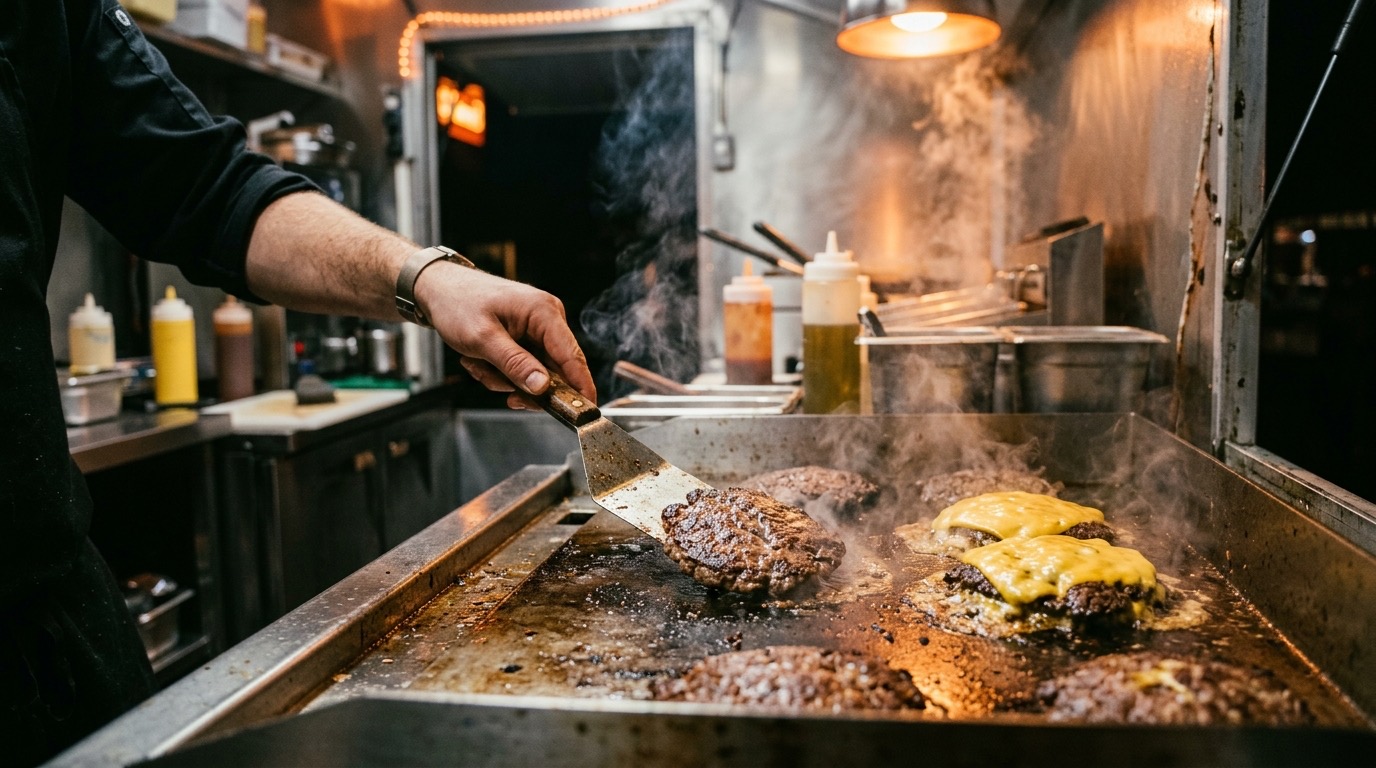










Food Truck Checklists Kit Pro: Inspection, Setup & Teardown Checklist Templates for Excel
9 templates + 3 bonuses (12 files) with 141 food truck tasks already written in Excel: setup and teardown, the pre-trip and vehicle check, health inspection prep under the FDA Food Code, permits and events, the manager, roles, cleaning and seasons. Print it, hand it to your crew and check it off.
One-time payment · lifetime access · updates included
No international card, or prefer your wallet? Same price, no surcharge.
Print, Delegate and Control
Excel templates set up to print on US Letter. Compatible with Excel, LibreOffice and Numbers








9 Food Truck Checklist Templates + 3 Bonuses (12 files)
141 food truck tasks already written and sorted by phase, area and role. Adjust them to your truck and your menu, print and delegate.
Food Truck Setup & Teardown Checklist: Arrival, Kitchen, Service & Closing
Setup on arrival (5 tasks), in the kitchen (6) and at the window (4), and teardown (8): parking and leveling only where vending is legal, the generator outside and away from the window, propane pressure checked, cold equipment at 41 °F or below, the POS and starting bank, the fresh and wastewater tanks; at close, leftovers cooled and date-marked, the cash close-out and the truck secured for the road. 23 tasks, each with who does it and how long it takes.
Food Truck Pre-Trip & Vehicle Checklist: Generator, Propane, Water & Waste
The pre-trip check: fuel, tires, lights and brakes, DMV registration and commercial auto insurance (a CDL only at 26,001 lb GVWR or more), equipment secured and extinguishers tagged (ABC plus Class K); the generator test-started and serviced, propane cylinders secured with a soapy-water leak test after every swap, potable water from an approved source and wastewater dumped only at the commissary. 18 checks.
Food Truck Food Safety & Health Inspection Prep Checklist (FDA Food Code)
Temperatures before loading, in transit and on arrival (41 °F or below, frozen food kept frozen (0 °F or below is the common target)), cooking (poultry 165 °F, ground meats 155 °F, fish and whole-muscle meats 145 °F), hot holding at 135 °F or time as a public health control, thawing, the handwashing sink at 100 °F, no bare-hand contact, test strips, the 9 major allergens and the paperwork the inspector asks to see. 18 checks.
Food Truck Permits, Events & Locations Checklist
Permits and licenses (mobile vending license, mobile food unit health permit and commissary agreement, general liability and commercial auto insurance, business license, seller's permit and EIN, sales tax by vending location), the pre-event tasks (location, power, stock, event menu, temporary event permit, COI, fire marshal) and 6 event types, from truck parks and night markets to weddings. 18 tasks, the permits and pre-event ones with lead times.
Food Truck Manager Checklist: Route, Inventory, Food Cost & Marketing
The weekly route within each city's vending rules, event bookings and permits, orders from the event calendar, waste and leftovers, sales by spot or event, weekly food cost against a 28–35% benchmark, pricing, ROI per event, the daily cash reconciliation and a written tip pool, social media, reviews, new organizers and loyalty. 15 tasks with frequency and priority.
Food Truck Duties by Role: Chef, Prep Cook, Window Staff & Driver
Clear tasks for 4 roles: the food truck chef (prep at the commissary or in the truck, never in a home kitchen), the prep cook (mise en place, assembly line, fryer), the window staff (orders, payment, allergen questions, the waiting area) and the driver / tech (driving, leveling, the generator and the water tanks). 5 tasks each.
Food Truck Weekly & Monthly Checklists: Deep Cleaning, Maintenance & Inventory
Weekly: a deep clean inside the truck, the hood filters (hood and ducts by a certified contractor, NFPA 96), full inventory, fryer oil, a propane leak test and the water tanks and pump. Monthly: generator service, brakes, tires and lights, a review of your logs, food cost, the menu, every permit and license current, packaging and crew training.
Food Truck Event & Seasonal Checklists: Festivals, Fairs, Markets & Weddings
The year from the spring rallies to the Memorial Day–Labor Day peak, fall markets and winter indoor events, plus the key sales events: food truck festivals and rallies, farmers and night markets, county and state fairs, wedding season (May–October), Black Friday and New Year's Eve. 13 tasks with lead times.
Blank Food Truck Checklist Template (Editable)
A blank checklist with the kit's columns (area, task, assigned to, frequency, OK and notes) to build lists for your exact truck and menu: tacos, burgers, coffee, desserts or anything else.
BONUS: Food Truck Pre-Event Briefing Template
15 fields to fill in before each event: the event (name, location, schedule, expected crowd), logistics (power, water, parking, vendor fee), menu and stock (event menu, estimated stock, packaging, allergens) and the crew (staff, meet-up time, vehicle).
BONUS: Food Truck Annual Calendar: Events, Menu, Maintenance & Marketing (US)
12 months for a US food truck, from Super Bowl Sunday, Mardi Gras and St. Patrick's Day to Cinco de Mayo, graduations, July 4th, county and state fairs, Labor Day, Halloween, Thanksgiving and the holiday markets, each with a suggested menu, the truck's maintenance and that month's marketing.
Hear From the Pros
Food truck owners, mobile kitchen chefs and street food consultants who already run their operations with Kit de Tareas Recurrentes: Food Truck, the Spanish edition of this kit
Alejandro Ruiz
Food Truck Owner, Madrid
"The setup and teardown checklists are essential. Generator, propane, kitchen… the whole crew follows the same routine at every event, and we set up in half the time."
María López
Food Truck Chef, Barcelona
"The mobile food safety checklist saved us at our last inspection. Temperatures, cold chain, paperwork… all up to date and ready to show. Zero stress at big events."
Carlos Méndez
Director, food truck fleet (3 trucks)
"We rolled it out on 3 trucks. Mobile operations and the vehicle and generator checks are now the same across the whole fleet. No more mix-ups."
Laura Fernández
Manager, gourmet food truck
"The duties by role make it clear who does what: chef, prep cook, window staff, driver. The pre-event briefing saves us time and mistakes at every new location."
David Torres
Street Food Consultant
"For food trucks it's the most complete kit out there. Setup, teardown, mobile food safety, permits, events… it covers every critical point without gaps."
Ana García
Event Food Truck Operator
"Keeping track of the permits and licenses for each event keeps us out of legal trouble. Every location has its own requirements, and here it's all planned before we head out."
Pedro Gutiérrez
Food Truck Driver and Tech
"The vehicle and generator tasks are really detailed. Maintenance, power, propane, water… I know exactly what to check before every trip."
Fernando Delgado
Executive Chef, premium street food
"The annual calendar with events by season and a suggested menu helps us plan festivals, weddings and food markets all year round, with no gaps."
Why This Kit?
These aren't generic templates. They're checklists designed by a chef who has worked in kitchens since the age of 17 and has been a hospitality consultant since 2010, set up for a US food truck under the FDA Food Code.
Built for Food Trucks
Not restaurant templates with the name changed. Checklists for the real operation of a truck: parking and leveling, the generator, propane, the fresh and wastewater tanks, the window and the drive back to the commissary.
Ready for the Health Inspector
Temperatures in °F under the FDA Food Code, the handwashing sink, sanitizer test strips, the 9 major allergens and the paperwork the inspector asks to see in the truck: health permit, logs, commissary agreement and food handler cards.
Propane, Generator and Fire Safety
Cylinders secured with the valves closed in transit, a soapy-water leak test after every swap, ABC and Class K extinguishers tagged, the hood suppression system every 6 months and the generator outside the truck, away from the window.
Checklist Apps Charge Every Month. This Is $15, Once
The same kind of task lists food trucks run in premium checklist apps, in Excel, for a one-time payment. No subscription.
Compatible with:

Created by
Chef John Guerrero
CEO of AI Chef Pro and founder of ChefBusiness Group. In kitchens since the age of 17 and a hospitality consultant since 2010. He has advised food trucks, street food operators and mobile event kitchens on running their operations professionally: setup and teardown, food safety on the road, permits by event and a yearly calendar of events and seasons.
Exclusive Bonuses
Besides the 9 templates, you get these extra resources
BONUS 1Food Truck Pre-Event Briefing Template
The event, location, schedule and expected crowd; power, water, parking and the vendor fee; the event menu, estimated stock, packaging and allergens; and the crew, meet-up time and vehicle. One sheet so event day goes without surprises.
BONUS 2Food Truck Annual Calendar (US)
12 months of event types, a suggested menu, the truck's maintenance and the marketing for each month, from Super Bowl Sunday and Cinco de Mayo to county fairs, Labor Day, Thanksgiving and the holiday markets.
 BONUS 3
US · UK · Canada · Australia Equivalents Guide
Bonus: terms, taxes, food safety, staff rules, alcohol and units for using this kit in the US, UK, Canada and Australia.
Everything included: 9 templates + 3 bonuses
$15
8 Professional Tools, Free
Your purchase also unlocks our professional hospitality tools. Use them straight from your dashboard or right here.
One-time payment · lifetime access · updates included
YES, I WANT THE FOOD TRUCK CHECKLISTS KIT — $15Crypto payment
No international card, or prefer to pay from your wallet?
Same price as by card, no surcharge. You pay the equivalent in USDT, USDC, BTC or ETH at the current rate.
- Automatic delivery by email as soon as the gateway confirms the payment: usually a few minutes; Bitcoin can take longer
- Recommended: USDT on the TRON network (TRC-20), with fees of a few cents
- From Binance, Trust Wallet or any wallet that supports the network you choose

Satisfaction Guarantee 100%
If the checklists don't help you run your food truck more professionally, from setup and the pre-trip check to the health inspection and your permits, we'll refund 100% of your money. No questions, no hassle.
If you pay with crypto, refunds are handled manually and sent in the same coin and network you paid with.
30
Day guarantee
100%
Money back
0
Awkward questions
Frequently Asked Questions
The same things the inspector checks, in the order you can prove them. Temperatures: the cooler at 41 °F or below before loading, logged in transit and checked again on arrival (cold 41 °F or below, frozen food kept frozen, 0 °F or below as the common target), cooking temperatures probed (poultry 165 °F; ground beef and other ground meats 155 °F for 17 seconds; fish and whole-muscle pork or beef 145 °F for 15 seconds), hot food held at 135 °F or above or under time as a public health control with a written procedure, and thawing never at room temperature. Handling: a handwashing sink with hot water at 100 °F or above, soap and paper towels (hand sanitizer only after washing), no bare-hand contact with ready-to-eat food, sanitizer checked with test strips, raw and cooked foods apart and color-coded cutting boards. Allergens and paperwork: an allergen chart at the window with the 9 major allergens, a crew trained to answer allergy questions, the health permit posted, temperature and commissary logs in the truck, food handler cards for the crew and a Certified Food Protection Manager in charge. The "Food Safety & Inspection" checklist has those 18 checks already written, with blanks for the °F readings.
Propane first: cylinders secured upright with the valves closed in transit, the system per NFPA 58 and your fire marshal's inspection, and a soapy-water leak test at every connection after each cylinder swap (never a flame). Then the extinguishers, an ABC plus a Class K for the fryer, accessible and tagged, with a monthly visual check and an annual service tag; the hood suppression system every 6 months (NFPA 96) and the hood and ducts cleaned by a certified contractor; and the generator outside the truck, away from the window, air intakes and people because of carbon monoxide, refueled only when it is off and cool. Many events also ask for a fire marshal inspection and at least 10 ft of clearance from buildings, other vehicles and combustibles; the permits checklist reminds you to confirm both. If you smell gas, the setup checklist says it plainly: light nothing, close the cylinder, get out and call 911 from outside.
The check you run before the truck rolls, so nothing fails on the road or at the event. The "Vehicle & Mobile Ops" checklist has 18 checks, 11 of them marked pre-trip and the rest weekly, monthly or yearly: enough fuel for the round trip, tire pressure for the extra weight, lights, turn signals and brakes, registration with your state DMV and commercial auto insurance current (a vehicle safety inspection only where your state requires one, and a CDL only if the truck is 26,001 lb GVWR or more), kitchen equipment secured, extinguishers tagged; the generator fueled and test-started, extension cords in good shape; propane cylinders for the shift, secured and leak-tested; the fresh water tank filled from an approved source and the wastewater tank empty, the water pump working, and trash bags and the used-oil container on board.
One list in the order you actually work, like a restaurant opening checklist built for a truck. On arrival: park and level the truck only in a legal vending spot (or with the owner's written permission on private property), set the generator outside and away from the window, check propane pressure and cylinders, put out the awning and signage, and set up the service counter. In the kitchen: the griddle, fryer and oven on with the hood and fire suppression working first, cold equipment at 41 °F or below with the reading logged, mise en place, stock, sauces and packaging. At the window: the menu posted, the POS, card reader and starting bank, the waiting area, and the water checked (fresh tank full, wastewater tank empty, hot water at the handwashing sink). The "Setup & Teardown" checklist has those 15 setup tasks already written, each with who does it and how long it takes.
Like any closing checklist, in the order that keeps you safe on the road: cooking equipment off and propane valves closed; leftovers cooled from 135 °F to 70 °F within 2 hours and to 41 °F within 4 more, covered, date-marked and refrigerated at the commissary; the griddle, fryer and work surfaces cleaned and sanitized (checked with test strips); the water and waste tanks emptied, wastewater only at the commissary or an approved servicing area; the awning and signage packed; the cash drawer closed out with the cash count and over/short against the POS Z report and tips split per your written tip pool; the generator shut down; and the truck secured for the road with the propane cylinders strapped in. The kit has those 8 teardown tasks already written.
Yes, they run through the whole kit. Prep happens at the commissary or in the truck, never in a home kitchen. The fresh water tank is filled at the commissary with potable water from an approved source and a food-grade hose used for nothing else; the wastewater tank must be at least 15% larger than the fresh tank and is dumped only at the commissary or an approved servicing area, never in the street or down a storm drain; and the weekly list has you clean and sanitize the fresh water tank, pump and hose as your health department requires. The inspection checklist keeps your commissary log or commissary agreement in the truck, and the monthly list checks it is current.
Yes. Before each trip, the fuel level (gasoline, diesel or propane, per the unit; refuel only with it off and cool), a test start and the extension cords; at the event, the generator outside the truck, away from the window, air intakes and people (carbon monoxide), where the organizer and fire marshal allow, with cords routed so no one trips; at teardown, shut down or power disconnected; and monthly maintenance (oil, filter, spark plugs per the manufacturer's service hours). The driver / tech duties include running it, and the annual calendar has the generator check in February and a full-load check in July.
Yes, US-style. The "Permits & Events" checklist lists the mobile vending license from your city or county (one per truck, non-transferable), the mobile food unit health permit (plan review and inspection) with your commissary agreement, general liability insurance (events often ask for $1M per occurrence and a certificate of insurance naming them), commercial auto insurance, a business license, your state seller's permit and a free EIN from the IRS, and a POS that collects sales tax by vending location. Before each event it has you confirm the temporary food event permit if your health department requires one and the organizer's requirements. The monthly list checks that every permit, license, the fire marshal inspection, DMV registration and insurance are current. Rules vary by city and county, so the kit tells you what to check, not your local fees.
Yes. The permits checklist covers 6 event types (food truck parks, farmers markets and night markets; music festivals, county fairs and street fairs; corporate events and private catering; weddings and celebrations; races and sporting events; and a regular daily spot where your city allows it), plus 6 pre-event tasks to run before any of them: location, access and setup time, power, expected sales, an event menu and the permits. The pre-event briefing bonus puts it all on one sheet, and the seasonal checklist and annual calendar plan the festivals, fairs, wedding season and holiday markets ahead.
Daily cleaning goes in the teardown: the griddle, fryer and work surfaces cleaned and sanitized, and the tanks emptied. On top of that, the kit schedules a weekly deep clean inside the truck, the hood filters degreased by the crew (with the hood and ducts cleaned by a certified contractor as often as NFPA 96 requires), the fryer oil changed and used oil sent to a licensed recycler, and the fresh water tank, pump and hose cleaned and sanitized; and monthly upkeep: generator service, brakes, tires and lights, a review of your temperature, cleaning and commissary logs, and packaging restocked.
Yes, you will find free checklist templates online, and many county health departments and fire marshals publish the checklist they inspect with. That is a good place to start. This kit is something else: 11 Excel workbooks with 141 food truck tasks already written and sorted by phase, area and role, from the pre-trip check to the teardown, °F temperatures under the FDA Food Code, and a ✓ / — / N/A drop-down on the checklists. Print it on US Letter, or save any sheet as a PDF from Excel.
Yes. Every checklist comes with the real tasks of a food truck already written. You'll want to make it yours: every cell can be edited, so adjust tasks to your truck and your menu, delete the ones that don't apply and add your own. The blank template has the same columns for anything extra.
Each checklist has columns for the phase or area, the task, who does it, when (how long it takes in the setup and teardown list, a frequency, a day or a lead time in the others), OK and notes. In 7 of the checklists the OK column has a ✓ / — / N/A drop-down, and the row turns green when you pick ✓; the manager checklist has a status column you fill in yourself. Print the list and hand it to the crew, or keep it open on a tablet in the truck.
Checklist apps charge a monthly fee per location and need connected tablets or phones. This kit gives you the same kind of task lists in Excel for $15, a one-time payment. What it is not: there are no reminders, photos or notifications on your crew's phones.
Yes. One purchase covers one business with all of its trucks, which makes it a good fit for fleets. If you are a consultant, you can use the checklists with your clients, but you can't hand them copies: each business buys its own.
The cash close-out is part of the day: the teardown checklist and the manager's daily reconciliation have you count the cash, note any over/short against the POS Z report and split tips per your written tip pool policy (managers and supervisors don't keep tips). This kit has no separate cash count sheet by bill and coin; if you want one that works out the starting bank and the over/short for you, the Restaurant Checklists Kit Pro includes it.
Yes, with a few edits, all in cells you can change. The kit is set up for the US: temperatures in °F under the FDA Food Code (41 °F cold holding, 135 °F hot holding), the 9 major allergens and US permits. In the UK, register your food business with your local council at least 28 days before you start trading, ask the council for a street trading licence, expect a food hygiene rating (0 to 5 in England, Wales and Northern Ireland), keep cold food at 8 °C or below and hot food at 63 °C or above, and give allergen information for 14 allergens. In Canada and Australia, check your provincial or state food safety rules, mobile vending permits and allergen list, and type them into the tasks. Every English edition also includes the US · UK · Canada · Australia Equivalents Guide, a bonus with the local terms, taxes, food safety, staff rules and alcohol side by side.
The price is $15 USD, a one-time payment. At checkout, Stripe can show the amount in your local currency (for example GBP, EUR, CAD or AUD) and converts it for you.
No subscription: you pay once and get lifetime access to the online dashboard. When we add new templates or improvements, you get them at no extra cost — just download the files again.
Yes. A full 30-day guarantee. If you're not happy, we'll refund 100% with no questions asked.
Your Food Truck, Organized from Pre-Trip to Teardown — in 11 Excel Files
9 templates + 3 bonuses (12 files) for the critical areas of your truck: setup and teardown, the vehicle, propane and water, food safety, permits, events and roles. For a one-time $15.
No international card, or prefer your wallet? Same price, no surcharge.
Buy from anywhere in the world
Digital products in English with instant download. Pay by card, Apple Pay or Google Pay from the US, the UK, Canada, Australia or anywhere else.
New to the platform?
Try AI Chef Pro today
The most complete AI suite for hospitality and restaurants. Available in 7 languages.
10,000 credits a month on the Member plan. No commitment.

FOOD TRUCK CHECKLISTS KIT PRO — $15
BUY NOW